Category: Health

  • Understanding the Role of Hospice in Providing Comfort During End-of-Life Care

    Understanding the Role of Hospice in Providing Comfort During End-of-Life Care

    When a loved one is facing a terminal illness, the decision to provide comfort and dignity during their final days becomes a priority for families. End-of-life care focuses on managing symptoms and providing emotional, physical, and spiritual support to ensure the patient’s comfort and quality of life. One of the most effective ways to achieve this is through hospice services, which specialize in comfort care. Hospice care plays a vital role in easing the burdens that come with a terminal diagnosis, allowing patients to spend their final moments in peace and surrounded by their loved ones. In this article, we’ll explore the key aspects of hospice’s role in providing comfort during end-of-life care.

    1. What is Hospice Care?

    Hospice care is a specialized form of care designed for individuals with terminal illnesses who are no longer seeking curative treatments. Unlike traditional medical care, which focuses on treating or curing a disease, hospice care focuses on the comfort and well-being of the patient. The primary goal of hospice is to ensure that the patient experiences the best possible quality of life during their remaining time, with an emphasis on managing symptoms and providing emotional and psychological support.

    Hospice care can be provided at home, in a hospice facility, or in a hospital setting, depending on the patient’s needs and preferences. The care is provided by a team of professionals, including doctors, nurses, social workers, chaplains, and counselors, all of whom work together to support the patient and their family.

    2. Pain and Symptom Management

    One of the most important aspects of end-of-life care is managing pain and alleviating the physical discomfort that often accompanies terminal illnesses. Many patients with advanced diseases like cancer, heart failure, or neurodegenerative conditions such as dementia may experience pain, nausea, breathing difficulties, or weakness.

    Hospice services specialize in comfort care, using a variety of techniques to manage symptoms and minimize discomfort. Medications such as opioids for pain, anti-nausea drugs, and medications for shortness of breath are administered in a manner that is personalized to each patient. The goal is to ensure that patients are not suffering from preventable symptoms and can spend their final days in peace.

    Hospice teams monitor the patient’s condition regularly and adjust the treatment plan as needed to keep the patient as comfortable as possible. Non-medication treatments like massage, heat therapy, and positioning may also be used to alleviate discomfort and improve the patient’s quality of life.

    3. Emotional and Psychological Support

    Facing the end of life can be an emotionally overwhelming experience for both the patient and their family. Patients may experience feelings of fear, anxiety, depression, or a sense of loss. Similarly, family members often struggle with anticipatory grief, as they come to terms with the inevitable passing of their loved one.

    Hospice services offer emotional support through trained counselors, social workers, and chaplains who provide counseling and help families navigate the emotional aspects of end-of-life care. For the patient, this may include counseling to cope with fear of death, anxiety about the future, or processing unresolved emotional issues. For the family, hospice offers guidance in managing their emotions, preparing for the loss, and understanding the stages of grief.

    In addition to one-on-one counseling, hospice care often includes family therapy or support groups where family members can connect with others who are going through similar experiences. This collective support can provide comfort and reassurance during an incredibly challenging time.

    4. Spiritual Care and Support

    Spiritual well-being is an essential part of end-of-life care. Many individuals facing terminal illness may have questions or concerns about their spiritual beliefs and what lies ahead. Hospice care acknowledges the importance of spiritual support by offering services from chaplains or spiritual advisors, regardless of the patient’s religious background.

    Hospice chaplains provide personalized spiritual care, whether through prayer, rituals, or simply offering a compassionate, non-judgmental presence. They support patients in finding peace and comfort, helping them to feel a sense of closure and meaning. Families also benefit from this service, as chaplains offer guidance and spiritual comfort during a time of emotional distress.

    Hospice care respects the diverse spiritual beliefs of each patient, ensuring that their individual values and wishes are honored during their final days.

    5. Support for Family Caregivers

    While hospice care primarily focuses on the patient, a significant portion of the support is dedicated to the patient’s family as well. Family members often take on the role of primary caregivers and may experience physical, emotional, and psychological strain while caring for a loved one who is terminally ill.

    Hospice services provide respite care, giving family caregivers a break to rest and recharge while the hospice team takes over the patient’s care for a short period. This allows caregivers to avoid burnout and return to their caregiving role with renewed energy. Additionally, hospice teams help family members navigate the practical aspects of caregiving, offering advice on how to manage symptoms, administer medications, and address other concerns.

    The hospice team is also available to assist with the transition after the patient passes, providing grief counseling, helping with funeral arrangements, and offering ongoing support to the family.

    6. Dignified and Peaceful Passing

    One of the greatest benefits of hospice care is that it allows patients to experience a dignified and peaceful passing, free from unnecessary pain and discomfort. In contrast to aggressive treatments that may prolong suffering, hospice care respects the natural process of dying, ensuring that the patient is supported in the most compassionate way possible.

    The care team’s goal is to ensure that the patient’s final days are as peaceful and comfortable as possible, with a focus on creating an environment of calm. This can include adjusting lighting, reducing noise, and providing the presence of loved ones, so that the patient feels supported and safe.

    Hospice care plays a pivotal role in providing comfort and support during the final stages of life. By focusing on symptom management, emotional support, spiritual care, and family assistance, hospice services offer a compassionate approach to end-of-life care that respects the patient’s dignity and promotes a peaceful passing. Choosing hospice allows families to spend quality time with their loved one without the burden of medical treatments, knowing that their loved one’s comfort is the top priority. Whether in the home or a hospice facility, hospice care helps create an environment of peace, allowing both patients and their families to face the end of life with comfort, support, and dignity.

    In hospices often there are specialists like orthopedists, orthopedists. Hospices offer hospice care for people with dementia. 
  • Finding the Right Chiropractor: Tips for Choosing a Professional You Can Trust

    Finding the Right Chiropractor: Tips for Choosing a Professional You Can Trust

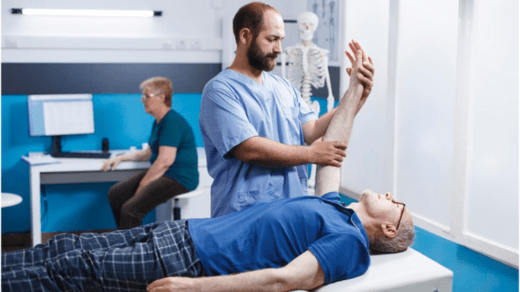
    Choosing a chiropractor can be a pivotal decision for your health and well-being. With many practitioners available, it’s essential to find one who is qualified, trustworthy, and suited to your specific needs. Here are some valuable tips to help you navigate this process effectively.

    1. Understand Your Needs

    Before starting your search, it’s important to identify your specific health concerns. Are you dealing with chronic pain, a sports injury, or general discomfort? Different chiropractors specialize in various areas, such as sports medicine, pediatric care, or rehabilitation. Knowing what you need will help you narrow down your options to those who are best equipped to assist you.

    2. Check Qualifications and Credentials

    A qualified chiropractor should have the necessary education and training. Look for someone who holds a Doctor of Chiropractic (D.C.) degree from an accredited institution. Additionally, verify that they are licensed to practice in your state, which typically involves passing national and state board examinations. Credentials provide reassurance that the chiropractor has the required knowledge and skills.

    3. Research Their Experience

    Experience matters when it comes to chiropractic care. A chiropractor who has treated conditions similar to yours will likely have a better understanding of effective treatment options. Don’t hesitate to ask potential chiropractors about their experience with your specific issues and how many patients they have treated for similar problems.

    4. Read Reviews and Testimonials

    Online reviews and testimonials can provide insight into the experiences of other patients. Look for feedback on the chiropractor’s techniques, demeanor, and overall effectiveness. Websites like Healthgrades, Yelp, and Google Reviews can be excellent resources for gathering this information. However, remember to consider the overall patterns in feedback rather than focusing solely on individual comments.

    5. Consider Their Approach

    Chiropractic care can vary widely in approach and philosophy. Some chiropractors emphasize hands-on adjustments, while others might incorporate additional treatments like physical therapy, nutritional counseling, or wellness coaching. It’s important to find a practitioner whose treatment philosophy aligns with your preferences. If you prefer a more holistic approach, seek out a chiropractor who integrates various modalities into their practice.

    6. Schedule a Consultation

    Many chiropractors offer an initial consultation, which can be a great opportunity to assess whether they are the right fit for you. During this visit, pay attention to how they communicate. Are they attentive and willing to listen to your concerns? Do they explain their treatment plans clearly? A good chiropractor should prioritize your comfort and understanding.

    7. Evaluate the Office Environment

    The atmosphere of the chiropractic office can also impact your experience. A clean, welcoming environment is essential for feeling comfortable during your visits. Observe how the staff interacts with patients and whether they maintain a professional demeanor. A friendly and organized office can enhance your overall experience and encourage you to return for ongoing care.

    8. Consider Logistics

    Practical considerations, such as location and office hours, are important as well. Choose a chiropractor whose office is conveniently located to make it easier to attend appointments regularly. Additionally, check whether their office hours align with your schedule. Some chiropractors offer evening or weekend appointments, which can be beneficial if you have a busy lifestyle.

    9. Trust Your Instincts

    Ultimately, trust your instincts when selecting a chiropractor. If something feels off during your initial visits, it’s okay to explore other options. A good patient-chiropractor relationship is built on trust and open communication. If you don’t feel comfortable, you may not receive the best care.

    Conclusion

    Finding the right chiropractor is an essential step toward achieving your health goals. By understanding your needs, checking credentials, and evaluating their approach, you can make a more informed decision. Remember, it’s okay to take your time in finding the right professional. Prioritizing your comfort and trust in your chiropractor will lead to a more positive and effective experience in your journey toward better health.

  • Effective Pain Relief with Coccydynia Cushion, Cervical Pillow, and LS Belt

    Effective Pain Relief with Coccydynia Cushion, Cervical Pillow, and LS Belt

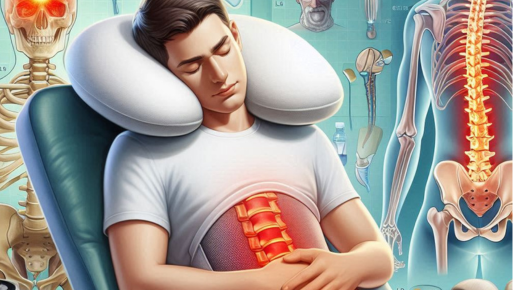
    If you suffer from discomfort in your lower back, neck, or tailbone, you know how important the right support can be. Finding the right products, like a coccydynia cushion, cervical pillow, and LS belt, can make a world of difference in your daily comfort. These specialised items are designed to target specific areas of the body, providing relief and support where you need it most.

    Coccydynia Cushion: Tailbone Pain Relief

    Coccydynia, or tailbone pain, can make sitting painful. A coccydynia cushion is designed to alleviate this discomfort by reducing pressure on the tailbone. These cushions often have a cutout or a U shape that allows the tailbone to rest without contact, minimising pain and promoting healing. Whether you’re at the office, driving, or relaxing at home, a coccydynia cushion can provide much-needed relief. It’s a simple yet effective way to improve your sitting posture and reduce pain over time.

    Cervical Pillow: Supporting Your Neck

    A cervical pillow is essential for those suffering from neck pain or stiffness. Unlike regular pillows, a cervical pillow is contoured to support the natural curve of your neck. This ensures that your spine remains aligned while you sleep, reducing strain on your neck muscles and preventing discomfort. Proper neck support can help with various conditions, such as cervical spondylosis, neck arthritis, and general neck pain. Investing in a quality cervical pillow can improve the quality of your sleep and reduce the likelihood of waking up with a sore neck.

    LS Belt: Lower Back Support

    The LS belt, or lumbosacral belt, is designed to provide support to the lower back. It is particularly beneficial for those with conditions such as lumbar spondylosis, lower back pain, or sciatica. The LS belt works by compressing the lower spine, providing stability and reducing the load on the spine during movement. This helps in managing pain and preventing further injury. Whether you’re lifting heavy objects or just going about your daily activities, wearing an LS belt can help protect your lower back and improve your overall mobility.

    Vissconext: Quality You Can Trust

    When it comes to managing pain and discomfort, the quality of your support products is crucial. Vissconext offers a range of high quality products, including the coccydynia cushion, cervical pillow, and LS belt, designed to provide effective relief and comfort. Vissconext products are made with the user’s needs in mind, ensuring that you get the best support possible. Whether you’re dealing with tailbone pain, neck stiffness, or lower back issues, Vissconext has the right solution to help you live a more comfortable and pain free life.

    Incorporating these products into your daily routine can significantly improve your comfort and quality of life. By choosing the right coccydynia cushion, cervical pillow, and LS belt, you can take proactive steps towards managing pain and supporting your body in the best way possible. Vissconext is dedicated to helping you achieve this with its range of trusted products.

  • Strategies for Promoting Generalization of Skills in ABA Therapy

    Strategies for Promoting Generalization of Skills in ABA Therapy

    Understanding Generalization in ABA Therapy

    Generalization refers to the ability of a person to apply learned skills in different contexts beyond the original learning environment. In Applied Behavior Analysis (ABA) therapy, promoting the generalization of skills is a crucial goal. When skills are generalized, individuals can use them in various situations, with different people, and across diverse environments, enhancing their overall independence and quality of life. Many practitioners need help to ensure that skills are memorized and effectively integrated into daily routines.

    The Importance of Generalization

    Generalization is essential because it ensures that therapy’s benefits extend into real-world scenarios. Skills learned during ABA sessions can be recovered if applied outside those settings. For those suffering from developmental disorders such as autism spectrum disorder (ASD disabilities, the ability to generalize skills can significantly impact their social interactions, academic performance, and adaptive functioning. Without generalization, the efforts invested in ABA therapy may not translate into meaningful improvements in the individual’s life.

    Strategies for Promoting Generalization

    Here are several effective strategies that practitioners and caregivers can employ to enhance the generalization of skills in ABA therapy:

    Use of Natural Environments

    One of the most effective ways to promote generalization is by practicing skills in natural environments where the individual lives and interacts. For example, rather than simply practicing greetings in a clinical setting, a therapist could take a child to a park or a grocery store to practice greeting peers or strangers in real-life contexts. This exposure to varied settings increases the likelihood that the skills will be used outside therapy sessions.

    Varying Teaching Conditions

    Using different teaching conditions during therapy can help facilitate generalization. This can include varying the people involved, the location, and the materials used. For instance, if the focus is on requesting items, the therapist might practice using various objects with different staff members, peers, and family members across different settings. This variation helps the learner understand that the skills can be applied broadly rather than in a set scenario.

    Incorporate Multiple Examples

    Providing multiple examples of a skill can encourage generalization. For instance, if an individual is learning to identify common fruits and vegetables, presenting different types and similar items can help solidify their understanding. This approach, known as “stimulus generalization,” allows learners to grasp a broader category rather than rote memorization of individual items.

    Involve Stakeholders

    Involving family members, teachers, and other caregivers in learning can significantly enhance generalization. Training these individuals to use and reinforce skills in various settings creates consistency and supports the individual’s education. For example, if a child is learning to ask for help, parents and teachers can encourage this behavior in different scenarios, reinforcing its usage.

    Functional Skills Training

    Focusing on functional skills immediately relevant to daily life can boost motivation and generalization. For example, teaching a child to make simple requests for food or to communicate feelings can translate directly to family meals or interactions with peers, thereby promoting the practical application of learned skills.

    Reinforce Generalization Successes

    Positive reinforcement for successfully using skills in different contexts can be a powerful motivator. When an individual uses a learned skill effectively in a new environment, acknowledging and rewarding that success can strengthen the behavior. This reinforces what has been learned and encourages the individual to attempt to use their skills in other situations.

    Plan for Generalization

    Generalization should not be left to chance; it should be a planned therapy component. Setting specific goals regarding generalization during the treatment planning stage is vital. For instance, if a client is learning social skills, a goal could be to successfully initiate a conversation with a peer three times in different settings within a month.

    Utilize Technology and Tools

    Incorporating technology, such as mobile apps and interactive tools, can facilitate the learning and practice of generalizable skills. For many individuals, interactive formats can increase engagement and provide opportunities for skills practice in various contexts, contributing to better retention and application.

    Practice in Real-Life Situations

    One of the most impactful strategies for promoting generalization is incorporating practice into real-life situations. Role-playing different scenarios that reflect actual experiences can help individuals understand when and how to apply their skills. For instance, if a child has learned to order food at a restaurant during therapy, a planned visit to a local eatery can provide an opportunity to practice that skill. This experiential learning bridges the gap between treatment and everyday life, reinforcing that skills can be utilized in authentic contexts.

    Create a Supportive Community

    Building a supportive community around the learner is critical for encouraging generalization. This involves fostering relationships with peers, educators, and family members who understand the importance of skill application outside of the therapy environment. Supportive communities provide a safe space for individuals to practice and reinforce their skills, creating an environment where they feel comfortable using what they’ve learned. Peer groups or social skills clubs can be particularly beneficial, offering social opportunities in a structured yet relaxed setting.

    Monitor Progress and Adjust Strategies

    Continuous assessment of an individual’s progress in skill generalization is essential. Practitioners should regularly evaluate how well the individual applies their learned skills in various contexts and adjust strategies as needed. This might involve enhancing the complexity of situations or altering teaching methods to better align with the learner’s current needs. Regular feedback helps to ensure that the strategies employed remain effective and allows for timely interventions when challenges are identified.

    Generalization Across Settings and Contexts

    Emphasizing generalization across various settings and contexts can lead to more robust skill acquisition. Practitioners should not limit skill development to just a few locations but encourage practice in diverse environments such as home, school, and community venues. This multi-contextual approach prepares individuals to apply their skills in any situation, increasing their overall competency and confidence.

    Conclusion

    Promoting the generalization of skills in Move Up ABA therapy is crucial for ensuring that therapeutic gains are meaningful and applicable in everyday life. Therapists can increase the efficacy of their interventions by employing strategies that incorporate natural environments, involve key stakeholders, vary teaching conditions, and reinforce successful generalization. Ultimately, the goal is for individuals to successfully apply what they learn in ABA therapy across different contexts, fostering independence and improving overall quality of life.

  • What is the Role of Placebos in Clinical Trials?

    What is the Role of Placebos in Clinical Trials?

    We are slowly becoming aware of clinical trials, which are meant to find effective and safe medicines. Researchers use various methods and protocols to conduct such trials. Placebos are one unique aspect of clinical trials that is considered one of the core parts.

    You might have heard about placebo treatments in trials. But if you want to know more about the role of placebo treatment in clinical trials, then you are at the right place. In this post, we will discuss everything about placebos.

    What are Placebos?

    Placebos are nothing but dummy treatments provided to patients. They are provided along with regular medicines to identify the effectiveness or safety of the medicine. As medicines can trigger psychological effects, placebos ensure whether the actual medicines are working or it’s the psychological effect is due to placebos.

    Role of Placebos in Clinical Trials

    #1 – Identifying Placebo Effect

    Placebos can have a surprising effect on patients. Sometimes, patients who take a placebo report feeling better, even though they haven’t received any actual medication. This phenomenon is known as the “placebo effect.” the psychological effect can help patients to feel better and even cure the underlying health condition.

    This helps researchers understand whether the placebo effect is common in all of the trial participants or just a few. It also highlights the effectiveness of the actual trial medicines compared to placebos.

    Related Posts:

    #2 – No Side Effects

    One of the best things about placebos is that they do not have any kind of side effects. The placebos are nothing but sugar pills or saline solutions. There is no therapeutic value to the placebo treatment, so it won’t cause any kind of side effects in the patients after administering it. In favorable cases, the placebo effect is triggered, and it can help patients feel better and even automatically cure the disease.

    Final Words

    Clinical Trials play an important part in the medical industry. With the various methods of reatment like the placebo treatment, the researchers take care of the participants and provide us with the effective and safe treatment option. In this post, we tried our best to explain everything about the role of placebo treatment in the trials. If you are a curious person, feel free to ask questions in the comments below.

  • Unlocking the Benefits of Walking for Disc Bulge Treatment

    Unlocking the Benefits of Walking for Disc Bulge Treatment

    A bulging disc is a condition in which it loses its original shape and protrudes outward, putting pressure on the nerve root and causing pain. Over time, a disc bulge in the lower back may result in herniated or ruptured discs. Thus, it is essential to treat disc bulges on time before they become severe.

    Fortunately, with the help of numerous non-surgical disc bulge treatment methods, spine specialists can control the symptoms and alleviate pain. Physical therapy is one of the most effective non-surgical treatment methods for bulging discs. But, sometimes, the pain gets severe, and the person is not able to indulge in any physical activity. At the same time, staying inactive for a prolonged period may weaken the muscles and make a protruding disc. Walking is the most beneficial form of exercise for a person with a bulging or herniated spinal disc because it offers many benefits.

    Here is an explanation of how walking helps with disc bulge treatment and offers other health benefits.

    Enhance Muscular Support for the Spine

    People with disc bulge conditions can benefit from walking because it is a gentle exercise that does not require a lot of energy. When you walk, every part of the body is involved in motion that provides enough stimulation to strengthen the muscles. Additionally, when you walk gently, no direct stress is put on the bulging disc, which makes it easier to manage the pain and discomfort associated with the condition.

    Boost Spinal Disc Health

    When you walk, you gently put one foot in front of the other, which increases circulation and boosts blood flow in the body. Boosting flood flow helps essential nutrients reach spinal discs and other soft tissues around the bulging disc. Additionally, blood circulation also removes the toxins from the same tissues and boosts spinal disc health.

    Enhance Posture and Flexibility

    Maintaining a walking routine helps improve posture and flexibility. Walking regularly removes extra pressure on the bulging disc and helps improve posture. Gentle stretches while walking are sufficient to improve range of motion and flexibility. Ensure you maintain proper posture while walking. Pay attention to your movements and motions when you walk. Proper posture while walking includes keeping your head up and your shoulders back, swinging your arms naturally, and stretching gently by lengthening your spine.

    Strengthen Spinal Structure and Joints

    Regular walking helps prevent conditions like osteoporosis, in which the spinal bones and joints become weaker. The repetitive walking motion helps stimulate the bones, promoting bone density and strength. In addition to that, gentle walking helps lubricate the joints, reduce stiffness, and promote flexibility.

    Aid in Weight Management

    Excessive weight puts pressure on the spine-supporting parts and increases the risk of disc damage. Walking regularly helps maintain a healthy weight, which is good for your spine and the affected disc.

    Conclusion

    In conclusion, for more information on non-surgical disc bulge treatment, book an appointment with the spine specialists of renowned healthcare centers like ANSSI Wellness and receive complete assistance on all spine-related problems.

    Develop a healthy lifestyle and stay away from conditions like bulging discs and other spine-related disorders.