
Have you ever turned on your shower and immediately noticed an unpleasant rotten-egg smell? Perhaps you’ve discovered reddish-brown stains around your bathroom sink or tiny particles floating in a freshly filled glass of water.
These problems can make ordinary household activities surprisingly frustrating, especially when cleaning products and basic faucet filters offer little improvement.
Water quality concerns often originate from different substances, which means finding an effective solution requires understanding what’s actually present in your water supply.
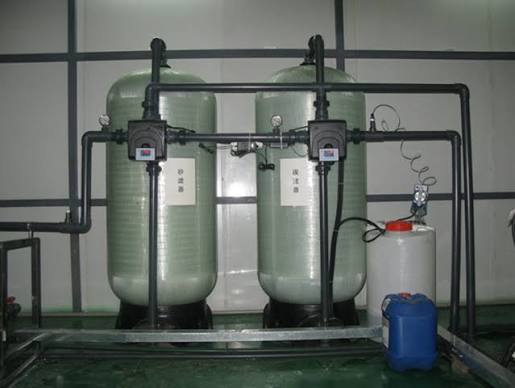
Kinetico water treatment equipment offers homeowners opportunities to explore technologies that address specific water quality challenges. From specialized iron removal to particle filtration and odor reduction, a carefully selected treatment arrangement can help improve everyday comfort, simplify household maintenance, and protect valuable plumbing and appliances.
Address Stubborn Iron Stains and Unpleasant Sulfur Odors
Living with rust-colored stains and unpleasant water odors can make maintaining a comfortable home unnecessarily difficult. These concerns are particularly relevant to properties that rely on groundwater.
Modern iron and sulfur treatment systems provide targeted solutions for elevated iron concentrations and hydrogen sulfide-related odors, depending on the characteristics of the incoming water supply.
Iron naturally occurs in soil and underground rock formations. As groundwater moves through these environments, it can collect dissolved iron that later contributes to reddish-brown discoloration when exposed to oxygen.
Hydrogen sulfide, meanwhile, can produce a distinctive rotten-egg odor that makes bathing, cleaning, and other household activities less enjoyable.
Depending on water testing results, specialized treatment may involve oxidation processes, backwashing filters, or carefully selected filtration media.
Imagine washing your favorite white towels without constantly worrying about orange stains or welcoming guests without feeling embarrassed by an unpleasant bathroom odor.
Appropriate treatment can help address the underlying water conditions responsible for these frustrations.
However, different forms and concentrations of iron require different treatment approaches. Water acidity, manganese levels, and other characteristics can also influence equipment selection.
If sulfur odors occur exclusively when using hot water, the water heater itself could be contributing to the problem.
Professional evaluation helps homeowners distinguish between groundwater quality concerns and equipment problems that may require separate attention.
Improve Water Clarity by Removing Unwanted Suspended Particles
Nobody enjoys discovering gritty residue inside a kitchen sink or visible particles in drinking water. Besides affecting water appearance, suspended material can accumulate inside plumbing fixtures and contribute to certain appliance maintenance problems.
Appropriately selected sediment filtration helps capture particles such as sand, dirt, and rust before they reach connected household outlets and additional water treatment equipment.
Unlike dissolved substances, suspended particles can often be captured through physical separation using suitable filter materials.
Depending on incoming water conditions, treatment may involve replaceable cartridges, backwashing filters, or other specialized equipment.
Several potential advantages of appropriate particle removal include:
- Improved water clarity and appearance.
- Reduced visible particles in household water.
- Less debris accumulation inside faucet aerators.
- Protection for downstream treatment components.
- Reduced particulate matter reaching appliance inlet screens.
- More manageable plumbing fixture maintenance.
Choosing the correct filter rating is particularly important.
A filter designed to capture exceptionally small particles may clog prematurely when incoming water contains substantial sediment. Conversely, an excessively coarse filter might allow unwanted particles to pass through.
Households relying on private wells should also investigate the source of persistent sediment. Damaged well screens, deteriorating plumbing, or other mechanical problems could contribute to the issue.
While filtration can capture unwanted particles, it cannot repair damaged infrastructure.
Professional guidance helps homeowners select suitable equipment while ensuring that underlying mechanical concerns receive appropriate attention.
Enjoy Better-Tasting Water With Effective Carbon Treatment
Water can look perfectly clear yet still have an unpleasant chemical taste or distracting odor. This can make drinking water less appealing and affect the enjoyment of freshly prepared beverages.
Installing activated carbon filtration offers a practical approach to reducing selected disinfectants and other substances responsible for undesirable water tastes and odors.
Activated carbon contains numerous microscopic pores that provide an extensive surface area. Through a process known as adsorption, certain substances interact with the carbon media as water passes through the equipment.
This treatment can be particularly useful for households receiving municipally treated water containing residual disinfectants.
However, different disinfectants require different treatment considerations. Chloramine, for example, may require specifically designed filtration media and appropriate contact times.
Think about preparing freshly brewed coffee without an unwanted chemical flavor interfering with its natural aroma. Suitable carbon treatment may make this familiar morning ritual more enjoyable.
Centralized carbon systems can also address selected taste and odor concerns throughout connected household plumbing.
Nevertheless, carbon filtration has limitations. It doesn’t typically reduce hardness minerals significantly, and conventional carbon equipment may not adequately address elevated iron concentrations or substantial hydrogen sulfide levels.
When comparing Kinetico equipment, homeowners should review model-specific treatment capabilities and independently verified performance claims.
Understanding what carbon technology can accomplish helps ensure that your equipment addresses genuine water quality concerns.
Combine Complementary Technologies for More Effective Water Treatment
Some households experience several water quality problems simultaneously.
For instance, a property might have reddish stains around bathroom fixtures, suspended particles in its water supply, and unpleasant odors that affect everyday activities.
Expecting one conventional filter to resolve every concern could lead to disappointing results.
A thoughtfully designed treatment arrangement may incorporate particle removal, specialized iron and sulfur treatment, and appropriate carbon media.
The sequence of these treatment stages is important because unfavorable incoming water conditions can interfere with downstream equipment performance.
Professional evaluation helps determine the appropriate configuration according to water chemistry, household consumption, peak demand, and installation requirements.
Not every property requires multiple treatment stages. A simpler arrangement may provide everything your household genuinely needs.
Understand Your Water Quality Before Investing in Filtration
Visible stains, unusual smells, and cloudy water provide useful clues, but they don’t necessarily establish the underlying cause.
Professional water testing can help investigate iron concentrations, hardness, acidity, turbidity, and disinfectant levels.
Private well owners should also arrange appropriate laboratory testing for bacteria, nitrates, and other potentially harmful contaminants according to public health recommendations.
Remember that clear, pleasant-smelling water doesn’t automatically establish drinking water safety.
Reliable testing helps homeowners select equipment based on measurable findings rather than assumptions, potentially preventing unnecessary purchasing expenses.
Maintain Your Filtration Equipment for Dependable Performance
Even advanced water treatment equipment requires consistent attention.
Replace filtration cartridges, service specialized media, and maintain backwashing components according to manufacturer recommendations.
Pay attention to returning stains, unpleasant odors, and unexpected changes in water pressure.
Periodic follow-up testing can help verify treatment effectiveness, while organized maintenance records make future servicing requirements easier to anticipate.
Regular care helps preserve equipment performance and protects your long-term investment.
Create a Better Household Water Experience With Kinetico
Stubborn iron stains, unpleasant sulfur odors, and gritty water shouldn’t become permanent household frustrations.
Consider consulting a qualified Kinetico water treatment specialist to discuss your existing water conditions and explore personalized filtration recommendations.
With reliable testing, appropriate equipment selection, professional installation, and consistent maintenance, homeowners can address many persistent water quality challenges.
Ultimately, investing in better water is about spending less time managing avoidable maintenance problems and more time enjoying a comfortable home where appropriately treated water brings lasting convenience and everyday satisfaction.