Finding Clarity: A Personal Take on Well Water Purification in Houston
If you’ve ever turned on your faucet and hesitated for a second—wondering about the water that’s filling your glass—you’re not alone. It’s a little unsettling when you can’t fully trust the thing you depend on most every single day. Living in Texas, especially around Houston and the nearby areas, a lot of families still rely on well water. On the surface, it feels rustic, wholesome even—like a direct connection to the earth. But in practice? It often means wrestling with minerals, bacteria, and sometimes even funky smells that can leave you feeling uneasy. That’s where the idea of well water purification Houston stops being just another home improvement buzzword and starts to feel like an essential piece of peace of mind.
I’ve noticed that when you talk about water quality with people, the conversations get personal really quickly. Someone will mention how their coffee never tastes quite right, or how their shower leaves their skin itchy, or maybe that their kid’s been complaining about the taste. It’s not just about health—though that’s obviously a big part of it—it’s about the everyday comfort of knowing your water isn’t quietly working against you. And that’s a problem too many people brush off until it turns serious.
Why Water Stories Feel Different in Sugar Land
Take Sugar Land, for example. It’s one of those places where community pride runs deep, but the geology under our feet sometimes brings water challenges we don’t bargain for. If you’ve lived there long enough, chances are you’ve either heard about or personally dealt with mineral-heavy water. That’s why well water testing Sugar Land isn’t just for the super cautious or health-obsessed folks. It’s for the everyday family who doesn’t want to play guessing games with something so basic.
Testing isn’t glamorous, but it gives you the facts straight. Maybe your water’s fine, maybe it’s hiding a problem that won’t show up until later. Without it, you’re basically drinking blind. And if you’re like most homeowners, you probably wouldn’t even think twice about testing unless you noticed something off—like orange stains in the sink, a metallic tang in your drinking water, or unusually dry hair. The reality is, some of the most worrisome issues don’t announce themselves that obviously. That’s why testing is the first real step toward understanding what’s in your water and, more importantly, what to do about it.
Installation: More Than Just a System in the Garage
Here’s something people sometimes underestimate: getting clean water isn’t just about buying a fancy filter or purifier. It’s about having the right solution for your specific well and your specific needs. A lot of times, homeowners will grab an off-the-shelf filter and cross their fingers, hoping it’ll magically solve all their water headaches. But wells are quirky. They’re not like city water lines where one-size-fits-all solutions mostly work.
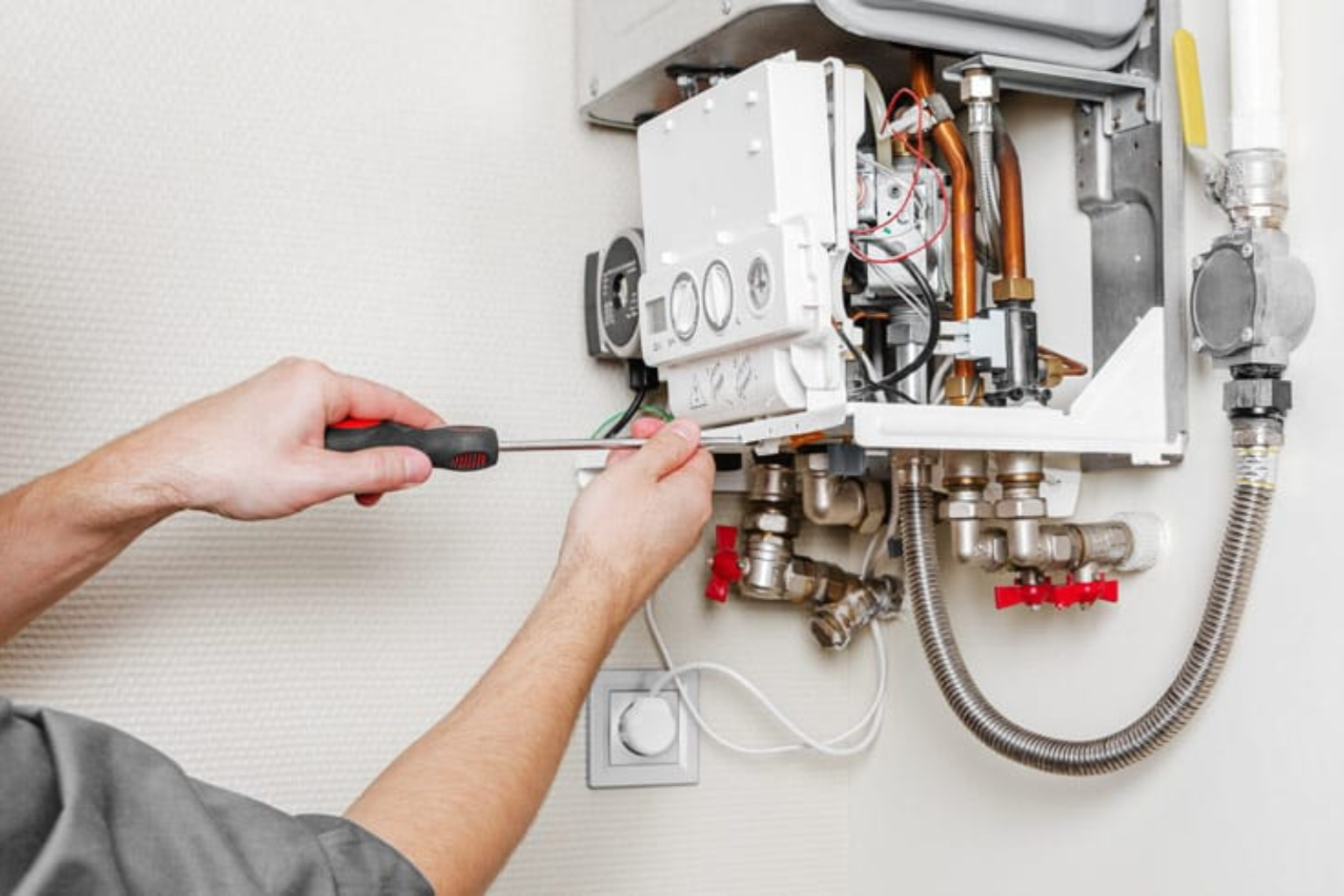
That’s why well water treatment installation should never feel like a quick weekend DIY project. Sure, you might be handy with tools, but water chemistry doesn’t play by simple rules. Installing the right system is as much science as it is plumbing. Professionals will look at the testing results, understand whether you’re dealing with bacteria, hardness, sulfur smells, or nitrates, and then match a treatment system that actually makes sense for your household. It’s not about selling the most expensive gear—it’s about tailoring the fix to the problem.
And honestly, once it’s done right, the difference is almost immediate. Water tastes cleaner, clothes come out softer from the wash, and showers stop leaving you with that “just rinsed but still not clean” feeling. It’s one of those upgrades you didn’t realize you needed until you finally have it.
The Emotional Side of Clean Water
There’s another piece that doesn’t get talked about much. Clean water isn’t just physical—it’s emotional. When you stop second-guessing your water, there’s a lightness that comes with it. Think about it: you’re no longer hesitating before taking a sip, or wrinkling your nose at the smell when you run the tap. You’re not side-eyeing the ice cubes in your glass. That mental load disappears, and what’s left is simple trust.
I’ve seen families go from hauling bottled water into their homes every week to finally enjoying the water that comes straight out of their own faucet. There’s something freeing about that. It’s not just about saving money (though that’s a nice perk too); it’s about reclaiming confidence in something so basic that you shouldn’t have to worry about it in the first place.
Final Thoughts: A Quiet Upgrade That Matters
Water’s one of those things you rarely stop to appreciate until it goes wrong. And with wells, “going wrong” can creep up on you quietly, leaving little reminders in your laundry, your cooking, and your peace of mind. The good news is, the solutions are already here—they just need a little attention and the right expertise to make them work for you.