
Water is one of those things we tend to take for granted until something goes wrong. At home, it might be the chalky residue left on a kettle or an unpleasant taste that makes you reach for a bottled drink instead. At work, the consequences can be more complicated. A restaurant may struggle with cloudy glassware, a manufacturing unit might face equipment problems, and an office could find itself dealing with recurring plumbing maintenance.
Although these situations look different, they share a common starting point: understanding the water before deciding how to treat it.
Water needs vary considerably between households, businesses, and industrial facilities. The right approach depends on the source, the intended use, and the substances that need to be reduced or removed. Once those details are clear, choosing an effective system becomes far less confusing.
Why Water Quality Deserves More Attention
Water travels through a network of natural environments, treatment facilities, pipes, and storage systems before it reaches its final destination. Along the way, its composition can vary. Groundwater may pick up minerals from surrounding rocks, while plumbing conditions and storage practices can affect water after treatment.
These differences matter because water quality involves more than appearance or taste. Water that looks clear may still contain contaminants that require testing, while cloudy water may sometimes result from harmless air bubbles or suspended particles.
For homeowners, common concerns include hardness, unpleasant odours, rust-coloured stains, and sediment. Businesses may face additional requirements related to food preparation, cleaning, manufacturing processes, or equipment protection. A problem that seems minor in a home kitchen could have a much greater impact when hundreds of litres are used every day.
The sensible first step is to identify the source and nature of the problem. Testing can measure hardness, pH, dissolved minerals, and specific contaminants when relevant. The exact tests should reflect the water source and its intended use rather than following a generic checklist.
Municipal supplies are generally treated and monitored, but household plumbing and storage can still affect water at the tap. Private wells and borewells need particular attention because their composition can vary with local geology and environmental conditions.
Practical Water Solutions for Everyday Living
A home doesn’t necessarily need a complicated filtration setup. In many cases, a targeted solution is more useful than a large system with several treatment stages that may not address the actual concern.
For example, a household experiencing hard water may benefit from a conventional water softener. These systems reduce calcium and magnesium through ion exchange, helping control scale inside pipes, water heaters, and appliances. They can also improve soap performance and reduce some of the stubborn deposits found around bathroom fixtures.
If the main complaint is sediment, a suitable particle filter may be enough. Activated carbon can help reduce certain tastes, odours, and chemical compounds, while reverse osmosis can reduce many dissolved substances when the system is appropriately selected and maintained.
This is where residential water solutions become useful: they allow treatment to be matched to a household’s actual needs. A small under-sink filter might suit a family primarily concerned about drinking water, whereas a whole-house system may make more sense when hardness or sediment affects several bathrooms, laundry appliances, and plumbing fixtures.
Budget matters, of course, but it shouldn’t be the only consideration. Replacement cartridges, salt, electricity, servicing, and wastewater can add to the long-term cost. Before purchasing a system, find out what it is designed to remove and whether its performance has been independently tested for the substances you’re concerned about.
It’s also important to remember that no single treatment method removes every possible contaminant. The right combination depends on reliable test results.
Why Businesses Often Need a Different Approach
Commercial settings can place very different demands on a water supply. A café may use water continuously for coffee machines, dishwashing, and food preparation. A hotel may depend on consistent water performance across dozens of bathrooms and laundry facilities. A workshop or manufacturing plant might need water with specific characteristics for its production process.
In these environments, treatment isn’t just about taste or convenience. Hardness can contribute to scale formation in boilers and heating equipment, while suspended particles may interfere with certain machines. Unwanted minerals can also affect cleaning results, product consistency, or maintenance schedules.
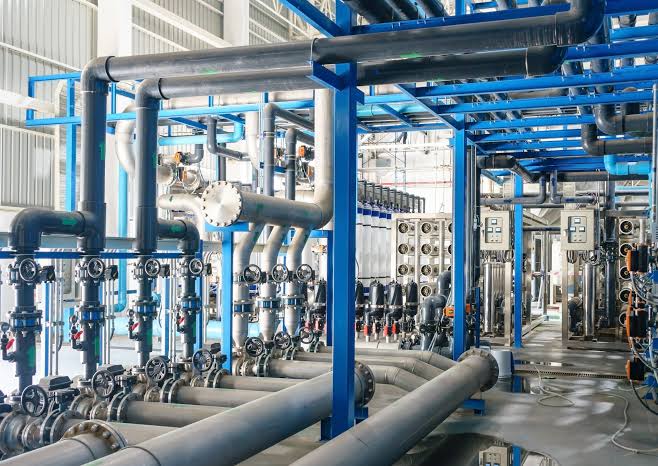
Effective commercial water treatment begins with understanding how much water a business uses and what each application requires. A restaurant, for instance, may need sediment filtration and a properly maintained softener to protect equipment. A facility using water in a specialised production process may require additional treatment based on technical specifications.
Capacity is a major consideration. A system that performs well in a small office may struggle to supply a busy hotel or factory during peak demand. Flow rate, storage capacity, pressure, and the quality of incoming water all influence system selection.
Businesses should also think about monitoring and maintenance. A treatment system that isn’t serviced on schedule may gradually lose effectiveness, even if it worked perfectly when first installed. Written maintenance records, routine checks, and clear responsibilities can help prevent avoidable interruptions.
Where water is used for drinking, food preparation, or other regulated purposes, businesses must also follow the relevant local requirements. Treatment should support those standards, not replace proper testing and compliance.
Choosing Equipment That Delivers Real Value
With so many products available, it’s easy to be distracted by impressive claims and long lists of filtration stages. Yet the number of stages alone doesn’t determine how effective a system will be.
Begin by identifying the substances that need attention. Then compare systems based on their demonstrated performance, operating capacity, maintenance needs, and suitability for the intended application.
Look for credible certification or independent testing where available. Ask suppliers about replacement parts, servicing arrangements, expected operating costs, and what happens if water conditions change. For commercial installations, request a clear explanation of how the system will meet demand during busy periods.
Avoid assuming that a reverse osmosis system is automatically the best option for every situation. It can be highly effective for reducing many dissolved substances, but it may use more water and require more maintenance than simpler alternatives. Similarly, a softener can address hardness but isn’t designed to disinfect water or remove every unwanted chemical.
Good equipment selection is about matching performance to need, not buying the most elaborate product on the market.
Maintenance Is Part of the Solution
Even a well-designed system needs regular care. Filters should be replaced according to manufacturer instructions, softeners should receive appropriate servicing, and storage tanks should be inspected and cleaned as needed.
Watch for changes in water taste, smell, colour, or pressure. These signs don’t always indicate contamination, but they can point to developing plumbing or equipment problems. If a safety concern arises, arrange appropriate testing and follow local public-health advice rather than relying on a treatment device without verification.
For businesses, scheduled maintenance is particularly important because an equipment failure can disrupt daily operations and increase costs. A simple service calendar can make a meaningful difference.
Better Water Starts With Better Decisions
Whether you’re improving water at home or managing a busy commercial property, the most effective solution begins with understanding the problem. Different sources, uses, and treatment goals call for different approaches, and a system that works well in one setting may be unsuitable for another.
Testing, careful equipment selection, and routine maintenance provide a more reliable path than guesswork. Sometimes the answer is a basic filter. In other situations, a softener, reverse osmosis unit, or larger treatment installation may be justified.
Ultimately, good water management isn’t about installing as much equipment as possible. It’s about choosing what works, understanding its limitations, and maintaining it properly. That approach can protect appliances, support business operations, reduce unnecessary expenses, and make everyday water use more dependable.