
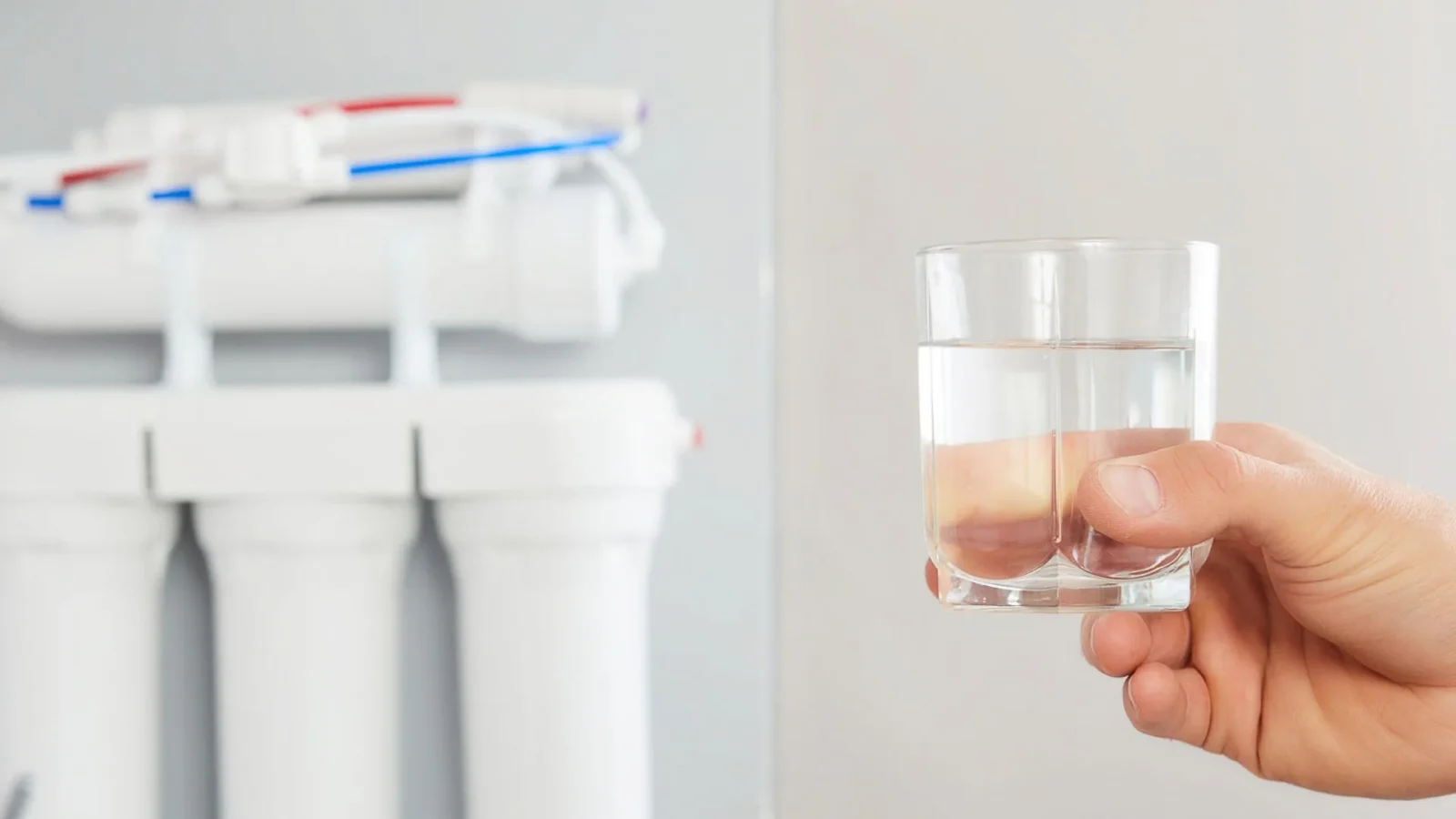
Clean water is easy to take for granted. We turn on the tap, fill a glass, rinse vegetables, or start the coffee machine without giving much thought to what may be moving through the pipes. But water quality can influence taste, odor, appliance performance, and everyday confidence in the water we use.
Not every water concern requires the same treatment. Some households mainly want to reduce chlorine taste. Others deal with hard water, unpleasant odors, or concerns related to microorganisms. Choosing the right system means understanding what each technology is designed to do—and where its limits begin.
Why Water Treatment Should Match the Actual Problem
Water treatment works best when it begins with a clear understanding of the water source. Municipal water and private well water can have very different characteristics. Even two homes connected to the same public supply may experience different issues because of plumbing age, storage tanks, or changes inside the property.
A water test can help identify common concerns such as hardness, pH, sediment, iron, and certain dissolved substances. Additional testing may be appropriate when there are concerns about bacteria, unusual odors, or local environmental conditions.
The goal is not to remove everything from water. Water naturally contains minerals, and some are harmless or even useful. The goal is to reduce specific unwanted substances while maintaining a system that is practical to operate and maintain.
Exploring Alkaline and Ionized Water Systems
Interest in alkaline water has grown in recent years, partly because of wellness trends and increased attention to drinking-water quality. alkaline / ionized water systems typically use an electrolysis process to produce water with a higher pH, often alongside filtration components.
These systems are commonly installed at the point of use, such as in a kitchen. Some models allow users to select different pH levels for different purposes, although the actual performance depends on the equipment, incoming water chemistry, and maintenance.
It’s important to keep expectations realistic. Alkaline water is not a cure-all, and claims that it can prevent or treat serious diseases are not supported by strong clinical evidence. For most households, the more practical question is whether the system improves taste, convenience, and personal preference.
Anyone considering an ionized water unit should check whether it includes effective pre-filtration. Electrolysis equipment cannot compensate for poor incoming water quality, and mineral buildup may affect performance if the system is not maintained correctly.
The Role of Activated Carbon Filtration
Activated carbon is one of the most widely used materials in household water treatment. It works through adsorption, a process in which certain substances attach to the surface of the carbon.
Depending on the type and quality of the carbon, it can help reduce chlorine taste and odor, some organic compounds, and other substances identified by the manufacturer. This makes activated carbon water filtration a popular choice for households that want better-tasting water without installing a complex treatment setup.
Carbon filters are available in pitchers, faucet-mounted units, under-sink systems, refrigerator filters, and whole-home installations. The best format depends on whether the homeowner wants to treat drinking water only or water used throughout the property.
However, carbon filtration does not remove every contaminant. It may not be effective against hardness minerals, many dissolved salts, or microorganisms unless the system includes additional treatment stages. Homeowners should always review the product’s performance data rather than relying on broad claims such as “purifies everything.”
Understanding Ultraviolet Water Disinfection
Ultraviolet treatment is different from filtration. Instead of physically trapping particles or chemically changing the water, UV technology uses ultraviolet light to inactivate certain microorganisms.
A properly designed water disinfection / ultra violet system may be useful for homes using private wells or for properties where microbial treatment is an important part of the water management plan. UV systems are often installed as water passes through a chamber containing a UV lamp.
The lamp must deliver enough UV energy for the system to work effectively. Water clarity also matters. Sediment, cloudiness, or other particles can shield microorganisms from the light, which is why UV systems are often paired with pre-filtration.
UV treatment also has limitations. It does not generally remove chemicals, heavy metals, hardness, or sediment. It is a disinfection method, not a complete filtration solution. The lamp must be replaced according to the manufacturer’s schedule, and the chamber should be cleaned when needed.
For private well owners, UV can be a useful component, but it should be selected after testing and professional evaluation rather than installed as a substitute for understanding the well itself.
Combining Technologies for Better Results
Many water quality concerns cannot be handled by one technology alone. A home might need sediment filtration to protect equipment, carbon filtration to improve taste, a softener to reduce hardness, and UV treatment to address microbial concerns.
This layered approach is often called a treatment train. Each stage performs a particular job, allowing the complete system to work more efficiently.
For example, sediment filtration can remove larger particles before water reaches a carbon filter. This may help extend the carbon cartridge’s useful life. If UV is installed later in the treatment line, clearer water can help the UV light reach microorganisms more effectively.
The order and combination of equipment should be based on test results, flow rate, household demand, and manufacturer requirements. More equipment is not automatically better. An unnecessarily complicated system can create higher installation and maintenance costs.
What to Consider Before Buying a System
Before choosing a water treatment product, homeowners should ask a few straightforward questions:
- What specific water problem is the system designed to address?
- Has the incoming water been tested recently?
- Is the system intended for drinking water or the entire house?
- What contaminants has it been independently tested to reduce?
- How often do filters, lamps, membranes, or other components need replacement?
- What happens if maintenance is missed?
- Is professional installation recommended?
- Are replacement parts easy to obtain?
Certification can also be useful. Depending on the technology, look for recognized testing or certification from organizations such as NSF or other relevant standards bodies. Certification does not mean a system removes every possible contaminant, but it can provide more reliable information about tested performance.
Maintenance Makes the Difference
A water treatment system is only as dependable as its maintenance routine. Carbon filters become less effective when they are used beyond their rated capacity. UV lamps lose effectiveness over time even if they still appear to be glowing. Ionization systems may require cleaning to manage mineral deposits.
Homeowners should follow replacement schedules and avoid waiting until water tastes strange or equipment stops working. Keeping a simple maintenance calendar can prevent many problems, especially when several treatment technologies are installed together.
It’s also worth remembering that filters should be replaced based on usage and water conditions, not only the calendar. A household with heavy water consumption may reach a filter’s capacity sooner than a smaller household.
Choosing Water Treatment With Confidence
Water treatment doesn’t have to be confusing, but it does require a little thoughtful planning. Alkaline and ionized systems, activated carbon filters, and ultraviolet disinfection each have useful applications, yet none should be treated as a universal answer.
The most sensible approach is to identify the actual water concern, understand what each technology can accomplish, and choose equipment that fits the home’s needs and maintenance habits. A good system should provide measurable benefits without creating unnecessary complexity.
In the long run, informed decisions matter more than impressive marketing language. When water testing, suitable technology, and regular maintenance work together, homeowners can enjoy cleaner-tasting water and a treatment setup that feels dependable rather than mysterious.