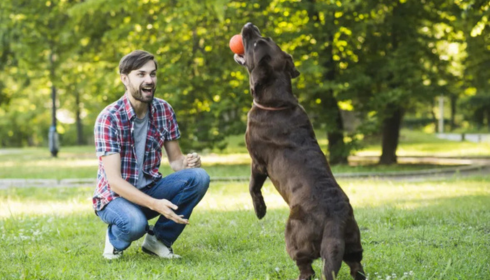
Dogs thrive when communication with their owners is clear, consistent, and rewarding. In a busy city environment like Phoenix, distractions are everywhere. From neighborhood walks to outdoor patios and public parks, dogs encounter constant stimulation that can challenge their ability to focus and respond. That is why canine listening skills development Phoenix has become an important focus for dog owners who want calmer, more reliable behavior in everyday situations.
Strong listening skills go beyond basic obedience. A dog that truly listens understands how to respond appropriately in different environments, around unfamiliar people, and during unexpected situations. These skills create safer interactions, improve confidence, and strengthen the relationship between dogs and their owners.
At Rob’s Dog Training, the emphasis is placed on practical communication that works in real-world environments. Instead of relying on repetitive commands without purpose, structured training teaches dogs how to pay attention, process information, and respond consistently.
Why Listening Skills Matter More Than Simple Commands
Many dog owners assume training is only about teaching commands like sit, stay, or come. While those behaviors are valuable, true listening involves much more than memorization.
Dogs with developed listening skills are better able to:
- Focus despite distractions
- Follow direction during stressful situations
- Remain calm around new environments
- Understand boundaries
- Build trust with their handlers
- Adapt to changing situations
In urban settings, these skills become even more important. A dog that listens reliably can safely navigate crowded sidewalks, outdoor dining spaces, and busy neighborhoods without constant pulling, barking, or reactive behavior.
Listening skills also support emotional balance. Dogs that understand expectations often experience less anxiety because communication becomes predictable and consistent.
The Connection Between Communication and Behavior
Many behavioral problems stem from inconsistent communication rather than stubbornness. Dogs naturally look for patterns. When signals are unclear, frustration develops for both the owner and the dog.
Common communication mistakes include:
- Repeating commands multiple times
- Using inconsistent tone or wording
- Rewarding unwanted behavior unintentionally
- Giving commands without follow-through
- Expecting focus in overwhelming environments too quickly
Effective canine listening skills development Phoenix programs focus on clarity first. Dogs learn faster when expectations remain consistent across different situations.
Training becomes more productive when owners understand how dogs interpret body language, timing, and reinforcement.
How Dogs Learn to Listen in Distracting Environments
Dogs do not automatically generalize behavior from one location to another. A dog that responds perfectly inside the house may struggle outdoors because the environment changes the level of stimulation.
This is why structured exposure matters.
Professional training often introduces distractions gradually, helping dogs remain engaged while building confidence. This process typically includes:
Controlled Environment Training
Dogs first learn behaviors in low-distraction settings where success is easier. This stage builds understanding and confidence.
Moderate Distraction Exposure
Once behaviors become reliable, distractions increase slowly. Dogs may practice near mild activity levels such as passing people or distant noises.
Real-World Application
Finally, dogs practice in everyday situations like sidewalks, parks, or pet-friendly spaces where listening skills are tested naturally.
This layered approach helps dogs learn how to focus even when the environment changes.
The Role of Consistency in Canine Listening Skills Development Phoenix
Consistency is one of the most overlooked parts of dog training. Dogs learn through repetition and predictable outcomes. When rules change daily, confusion follows.
Consistency includes:
- Using the same verbal cues
- Reinforcing behaviors immediately
- Maintaining clear household boundaries
- Following through on expectations
- Practicing regularly in different settings
Owners often see faster progress when the entire household participates in the same training approach.
For example, if one family member allows jumping while another discourages it, the dog receives conflicting information. Clear structure reduces uncertainty and improves listening reliability.
Why Timing Matters During Training
Dogs associate consequences with actions occurring at that exact moment. Delayed rewards or corrections weaken communication.
Effective timing helps dogs understand:
- Which behavior earned praise
- What action should stop
- How to repeat successful behavior
- Which choices create positive outcomes
This is why professional trainers emphasize immediate reinforcement. Even a delay of a few seconds can reduce clarity.
Timing also affects motivation. When dogs clearly connect behavior with outcomes, learning becomes faster and more reliable.
Mental Engagement Improves Listening
Dogs that are mentally stimulated often demonstrate stronger focus and better responsiveness. Boredom can contribute to:
- Excessive barking
- Destructive behavior
- Hyperactivity
- Difficulty concentrating
- Impulsive reactions
Mental engagement exercises may include:
- Structured obedience routines
- Place training
- Scent-based activities
- Problem-solving games
- Controlled social exposure
Training sessions that challenge a dog mentally often produce calmer behavior afterward because the dog has used energy productively.
Socialization and Listening Skills
Socialization is not simply exposure to other dogs or people. Proper socialization teaches dogs how to remain neutral, calm, and attentive in different situations.
Dogs that become overstimulated during social interactions may struggle to listen because excitement overrides focus.
Healthy socialization supports canine listening skills development Phoenix by teaching dogs to:
- Observe calmly
- Ignore unnecessary distractions
- Maintain handler engagement
- Build confidence without overreaction
Balanced exposure creates dogs that can function comfortably in a variety of public environments.
Breed Tendencies and Individual Personality
Different breeds often have varying attention patterns, energy levels, and working instincts. Herding breeds, sporting dogs, and guardian breeds may process environments differently.
However, personality matters just as much as breed tendencies.
Some dogs naturally focus quickly, while others require more patience and structure. Effective training adapts communication methods to the individual dog instead of using a one-size-fits-all approach.
Successful listening development considers factors such as:
- Age
- Energy level
- Confidence
- Previous experiences
- Environmental sensitivity
- Motivation style
Understanding these factors allows training to progress more efficiently.
Why Real-World Practice Is Essential
Dogs do not learn permanently through isolated practice alone. Listening skills strengthen when behaviors are repeated in practical situations.
For example, dogs benefit from practicing:
- Loose-leash walking near distractions
- Calm greetings around guests
- Reliable recall in open areas
- Focus exercises in public spaces
- Settling quietly during outings
Real-world repetition builds reliability because dogs learn how to apply skills outside structured sessions.
This practical approach often creates longer-lasting results than indoor-only obedience routines.
Common Challenges During Listening Skills Training
Even motivated owners can face setbacks during training. Common obstacles include:
Overstimulation
Dogs pushed into difficult environments too quickly may lose focus entirely.
Inconsistent Reinforcement
Mixed reactions confuse dogs about expectations.
Unrealistic Expectations
Progress takes repetition and patience. Dogs need time to process new information.
Lack of Structure
Without daily routines and boundaries, listening consistency often decreases.
Emotional Frustration
Dogs respond to human tension. Calm communication generally improves learning outcomes.
Recognizing these challenges early helps owners adjust their approach more effectively.
The Importance of Handler Confidence
Dogs often mirror the emotional state of their owners. Nervous, hesitant, or inconsistent handling can create uncertainty.
Confident handling does not mean harshness. Instead, it means:
- Calm direction
- Predictable communication
- Clear expectations
- Steady follow-through
- Controlled emotional responses
Owners who develop confidence during training often notice improvements in their dog’s behavior because communication becomes more stable.
Building Long-Term Success at Home
Training does not end after formal sessions. Daily reinforcement plays a major role in maintaining progress.
Simple habits that support long-term listening include:
- Practicing commands briefly each day
- Reinforcing calm behavior naturally
- Maintaining consistent household rules
- Rewarding focus during walks
- Creating structured routines
Short, focused sessions often produce better results than occasional long sessions.
Dogs learn continuously from everyday interactions, not only during dedicated training time.
Why Professional Guidance Can Accelerate Progress
Many owners benefit from professional instruction because trainers can identify communication gaps quickly. Small adjustments in timing, body language, or reinforcement often produce noticeable improvements.
Professional support may help owners:
- Understand dog behavior more clearly
- Improve consistency
- Address reactivity or distraction issues
- Build reliable recall
- Strengthen leash communication
- Create realistic training goals
Structured guidance can reduce frustration while helping dogs learn more efficiently.
Creating Stronger Human-Dog Relationships Through Communication
The foundation of every successful training program is trust. Dogs that understand communication feel more secure, while owners gain confidence in handling everyday situations.
Canine listening skills development Phoenix is not simply about control. It is about building a partnership where dogs can navigate the world calmly, safely, and confidently alongside their owners.
At Rob’s Dog Training, the focus is on helping dogs and owners develop practical communication skills that support real-life success in a variety of environments.
When communication improves, daily life becomes more enjoyable for everyone involved. Walks become less stressful, public outings become more manageable, and dogs gain the ability to respond reliably even in challenging environments.
Owners who invest time into listening skills often discover that training strengthens more than obedience alone. It builds patience, consistency, and mutual understanding that benefits the relationship for years to come.