
Water doesn’t often make the list of things business owners worry about, but maybe it should. Whether you’re running a restaurant, a manufacturing facility, or even a modest-sized office, water quietly touches nearly every part of operations. It brews the coffee in the break room, rinses the produce before dinner service, and cools down machines on the factory floor. And when the water isn’t clean—or worse, when it starts causing problems—you notice quickly.
In places with hard water or inconsistent municipal supply, businesses have started looking for more reliable solutions. And that’s where reverse osmosis steps in, not as some fancy “nice-to-have,” but as a practical tool for efficiency, quality, and peace of mind.
What Reverse Osmosis Actually Does
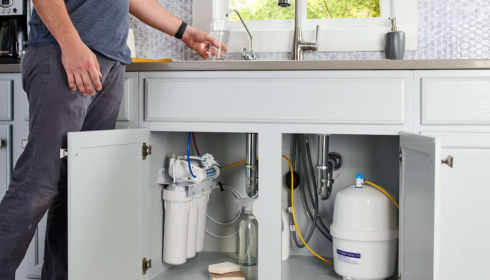
If the term sounds too technical, here’s the simple version: reverse osmosis, often shortened to RO, pushes water through a semi-permeable membrane that catches impurities. Things like chlorine, heavy metals, dissolved salts, or even microscopic particles get filtered out, leaving water that’s clear, consistent, and often tastes noticeably better.
The beauty of RO systems is that they’re scalable. A household might use a small under-sink unit. A busy café might need a medium setup to supply coffee machines and ice makers. A factory, on the other hand, might rely on a much larger unit to keep equipment running smoothly. For businesses, flexibility is the selling point.
That’s why so many facilities are investing in commercial reverse osmosis installation—because clean water isn’t just about health, it’s about protecting equipment, cutting costs, and improving the final product.
The Ripple Effect of Poor Water Quality
Most business owners don’t think about water until something goes wrong. Maybe customers complain about off-tasting drinks. Maybe appliances break down faster than expected. Or maybe energy bills rise because scale buildup forces machines to work harder.
Those little annoyances are usually symptoms of bigger water quality issues. And while bottled water or simple filters might seem like quick fixes, they rarely address the root problem. Reverse osmosis systems, on the other hand, get to the heart of it by stripping water down to its cleanest form.
It’s not just about what you drink—it’s about how every piece of your operation runs smoother when water isn’t working against you.
When Repairs Become Inevitable
Of course, even the best systems aren’t maintenance-free. Reverse osmosis units rely on membranes, filters, and pumps, all of which need care. Over time, membranes clog, filters lose efficiency, or pumps wear down. Left unchecked, the system stops delivering the level of quality it’s supposed to.
That’s usually when businesses find themselves searching for RO system repair service near me—because water isn’t something you can put on pause. A restaurant can’t serve cloudy ice. A medical facility can’t risk compromised sanitation. A manufacturing line can’t afford to shut down. Fast, reliable repair becomes the difference between a minor hiccup and a full-blown crisis.
Installation as a Business Investment
For new facilities or those undergoing upgrades, installing a modern water system is about more than just convenience. It’s about future-proofing. Getting the right system installed at the right scale means avoiding years of headaches, wasted money, and repeated breakdowns.
A proper business reverse osmosis system installation doesn’t just drop in a machine. It starts with testing the local water supply, assessing daily usage, and tailoring the system to meet demand without overkill. Done right, it’s an investment that saves money year after year—fewer repairs, lower maintenance costs, and longer appliance lifespans.
The Day-to-Day Benefits
One of the underrated perks of RO systems is how much they improve the small, everyday things. Coffee tastes cleaner. Ice cubes are crystal clear. Dishes come out of the dishwasher without streaks. Even employees notice the difference when they’re more likely to refill bottles because the water simply tastes better.
These may sound like little wins, but in industries built on customer experience—restaurants, hotels, cafés—they make a world of difference. A guest might not consciously think, “Wow, this hotel has soft, pure water,” but they’ll remember how the coffee tasted, how the shower felt, or how spotless the glassware looked.
The Sustainability Angle
Beyond the immediate benefits, there’s also the environmental side. Businesses that install reverse osmosis systems often cut back on bottled water purchases, reducing plastic waste. Fewer broken appliances also mean less waste heading to landfills. And with efficient modern systems, water use can be optimized, striking a balance between purity and conservation.
In places where sustainability is more than a buzzword—like Southern California—RO systems fit right into the broader push for greener operations.
Why Maintenance Is Non-Negotiable
A mistake some businesses make is treating installation as the finish line. But reverse osmosis systems are like cars—they need routine check-ups. That means swapping filters on schedule, testing water quality regularly, and keeping an eye on pressure gauges.
The payoff is worth it. With steady maintenance, RO systems can run for years without major issues, consistently delivering the quality businesses rely on. And when providers offer service contracts, it takes one more worry off a manager’s plate.
Stories That Stick
Talk to any business that’s installed a reverse osmosis system, and you’ll hear stories that go beyond technical details. A café owner who swears the espresso tastes better. A brewery that finally achieved consistent batches after battling water variability. A medical office where sterilization procedures became easier and more reliable.
Those stories aren’t about machines—they’re about outcomes. They remind us that water isn’t just a background utility. It’s a silent partner in how businesses operate and how customers experience them.
Looking Ahead
As industries evolve, the demand for reliable, clean water will only grow. From high-tech manufacturing to small restaurants, businesses are realizing that ignoring water quality is like ignoring electricity—it’s too central to risk.
Reverse osmosis isn’t a fad; it’s a backbone technology. And as systems become smarter and more efficient, adoption will likely spread even faster. Businesses that invest now will be ahead of the curve, avoiding the scramble when water issues inevitably hit their competitors.
Wrapping It Up
At the end of the day, reverse osmosis systems don’t ask for attention. They just sit quietly, doing their job, until you notice that everything in your operation is running smoother. The glassware shines, the machines hum along, and the water just tastes right.
For businesses juggling a hundred moving parts, that kind of reliability is priceless. So whether it’s a new installation, a much-needed repair, or just the decision to stop ignoring water altogether, the message is clear: clean water isn’t optional—it’s essential.