
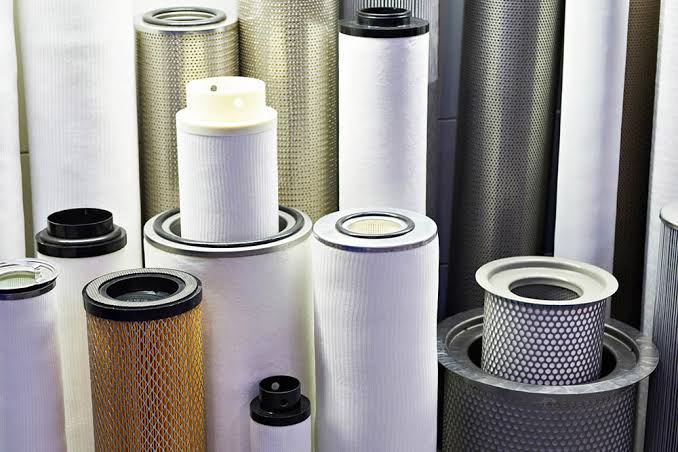
Standing in front of a selection of water filter cartridges can be surprisingly confusing. Some look almost identical, yet their packaging describes completely different benefits. One promises improved taste, another captures tiny particles, and a third is designed to address a particular contaminant.
How do you know which one actually belongs in your filtration system?
For homeowners across Vancouver Island, choosing the right filter begins with understanding the characteristics of their water supply. A property relying on groundwater may have different filtration requirements from a household connected to a municipal system.
Fortunately, you don’t need an extensive background in water chemistry to make an informed decision. Understanding a few basic differences between filtration products can save money, simplify maintenance, and help you get more value from your equipment.
Improving Water Taste and Odour With Carbon Filtration
There’s something disappointing about making a fresh pot of coffee only to discover that an unpleasant water taste has affected the flavour.
For many households, charcoal filter cartridges containing activated carbon offer a practical way to address certain taste and odour concerns, including those associated with chlorine.
Activated carbon has a highly porous structure that allows particular substances to adhere to its surface through a process known as adsorption.
These filters are commonly used in kitchen drinking water systems and whole-house treatment arrangements.
However, their effectiveness depends on the type of carbon, contact time, filter capacity, and substances present in the water.
Carbon filtration doesn’t automatically remove hardness minerals, harmful microorganisms, or every dissolved contaminant.
When choosing a cartridge, look beyond general claims about cleaner water. Check whether the product has verified performance for the specific substances you want to reduce.
Keeping Sand, Dirt, and Other Particles Out of Your Water
Anyone who has discovered tiny particles collecting inside a faucet aerator understands how annoying sediment problems can become.
Well water, ageing plumbing, and disturbances within water distribution systems can all contribute to suspended material entering household supplies.
Installing suitable sediment filter cartridges can help capture particles such as sand, silt, rust, and other debris before they reach household fixtures or additional treatment equipment.
These cartridges come in different filtration ratings, commonly measured in microns. Smaller micron ratings generally indicate finer filtration, although actual performance depends on the cartridge design and rating method.
Choosing the finest available filter isn’t necessarily the smartest approach.
If incoming water contains substantial amounts of sediment, a very fine cartridge may clog quickly and restrict water flow.
In some circumstances, staged filtration using progressively finer cartridges provides a more manageable solution while protecting downstream equipment.
When Ordinary Filtration Isn’t Enough
Sometimes, water quality problems extend beyond visible particles or unpleasant tastes. Certain dissolved substances require treatment technologies designed specifically for their reduction.
This is where specialty filtration products become particularly useful. Depending on their design, these products may address specific concerns involving lead, iron, fluoride, or other unwanted substances.
Some cartridges contain specialized adsorption media, while others use ion exchange or different treatment mechanisms.
The important thing is identifying which substance needs attention before purchasing equipment.
A filter designed to reduce lead, for instance, might not provide adequate treatment for unrelated contaminants.
Appropriate laboratory testing and independently verified product performance can help guide your selection.
There’s little value in buying an expensive specialty cartridge if your water doesn’t contain the substance it’s intended to address.
Understanding How Different Filters Work Together
A thoughtfully designed filtration system may incorporate several cartridges, each performing a separate task.
Imagine a household where drinking water contains suspended particles and an unpleasant chlorine taste. A sediment filter followed by an appropriate carbon cartridge may address both concerns.
The first stage helps capture debris, while the second focuses on improving particular water characteristics.
Additional filtration stages may be necessary when testing identifies other contaminants.
However, adding more cartridges doesn’t automatically create better water. Every additional stage introduces maintenance requirements and may contribute to pressure loss.
Equipment should be selected according to water quality, household consumption, available pressure, and treatment objectives.
Sometimes, a simple two-stage arrangement is more practical than a complicated system with numerous unnecessary components.
Why Cartridge Compatibility Deserves Attention
Replacing a water filter sounds straightforward until you discover how many different sizes, connection styles, and operating specifications exist.
Two cartridges might appear remarkably similar without being interchangeable.
Before ordering a replacement, check the existing filter housing, cartridge dimensions, manufacturer specifications, and intended treatment application.
It’s also worth confirming whether the cartridge can accommodate your system’s operating flow rate and pressure.
Keep a photograph of the original product label or store the model number somewhere convenient. That small habit can save considerable frustration when replacement time arrives.
Knowing When Your Water Filters Need Replacing
A filter cannot continue capturing particles or reducing substances indefinitely. Eventually, its treatment capacity becomes exhausted or accumulated debris restricts water flow.
Reduced pressure and recurring unpleasant tastes may indicate that maintenance is necessary. However, some filters lose effectiveness without producing noticeable warning signs.
Follow manufacturer replacement recommendations and consider how incoming water conditions and household consumption affect service life.
For equipment addressing health-related contaminants, appropriate follow-up testing can help verify continued performance.
Never assume that clear-looking water proves a filter is still working effectively.
Better Filtration Starts With Understanding Your Needs
Choosing water filters doesn’t have to become an expensive exercise in trial and error.
For Vancouver Island homeowners, appropriate water testing, compatible cartridges, and consistent maintenance provide a sensible foundation for effective filtration.
Start with the problem you’re trying to solve rather than the most impressive product description.
Whether you’re hoping to enjoy better-tasting coffee, reduce visible sediment, or address a particular contaminant, the right filtration arrangement can make a meaningful difference.
Sometimes, improving everyday water quality comes down to choosing one relatively small component carefully. And when that component performs its job properly, you’ll appreciate the benefits every time you turn on the tap.